


Introduction
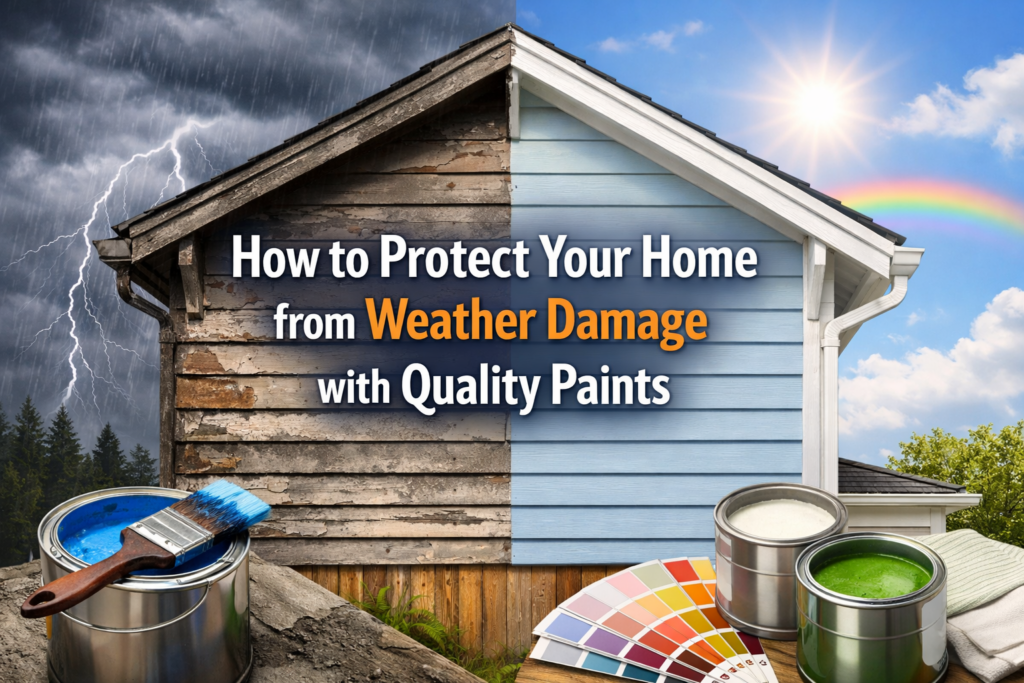
Weather can be unforgiving, from scorching heat to relentless rain and freezing temperatures. For homeowners and property managers, ensuring the longevity and health of their buildings against the elements is a priority. But many overlook an important line of defense that plays a significant role in protecting homes: the paint. Weather-resistant house paint is not just about aesthetics; it acts as the first barrier against UV radiation, moisture, and temperature fluctuations. Without it, the integrity of your property can rapidly decline due to weather damage. In this article, we’ll explain why investing in quality paints is essential for exterior home protection and how they can prevent long-term weather damage to keep your home protected for years to come.
The Anatomy of Weather Damage
Before delving into the specifics of protective paint features, it’s important to understand how the environment can damage a home.
UV Radiation
The sun’s rays are the most prominent force that gradually erodes the integrity of exterior surfaces. Over time, UV radiation can cause paint to fade, lose vibrancy, and even crack. This phenomenon, called “chalking,” happens when the paint’s pigments degrade due to prolonged exposure to sunlight. When the paint surface deteriorates, not only does it become unsightly, but it also loses its ability to protect the underlying materials from the elements.
Moisture & Humidity
Rain and humidity play a crucial role in weakening your home’s exterior. When water seeps into cracks, it can result in mold, mildew, and even wood rot. Over time, moisture exposure causes wood, brick, and other building materials to deteriorate, resulting in costly repairs.
The importance of preventing water infiltration cannot be understated. This is why waterproof exterior coatings, which provide a solid water-resistant barrier, are essential to maintaining the structural integrity of your home.
Temperature Fluctuations
Extreme temperature changes, especially those seen during seasonal transitions, cause materials to expand and contract. This thermal fluctuation can put significant stress on both your paint and the underlying surfaces. As the paint stretches and contracts, it can begin to peel or crack, exposing the building material to further weather damage. Thermal expansion is a constant challenge for maintaining the durability of your home’s exterior.
Key Features of “Quality” Protective Paint
When choosing paint for exterior home protection, not all products are created equal. Quality paints offer distinct features that significantly enhance the longevity and effectiveness of the coating. Here’s what homeowners should look for when selecting weather-resistant paints:
Elasticity
Elasticity is a critical characteristic of quality paint. This refers to the paint’s ability to stretch and adapt to the natural expansion and contraction of the materials beneath. Paints with high elasticity can endure temperature fluctuations without cracking, providing a longer-lasting protective shield for your home.
Breathability
Breathable paint allows moisture trapped inside the walls to escape while preventing external moisture from seeping in. This characteristic is particularly important in climates with high humidity or frequent rainfall. It ensures that the walls don’t become damp, which could lead to mold and mildew growth.
High Pigment Volume
UV radiation is a major concern when it comes to the longevity of paint. Paints with a high pigment volume provide better protection against UV rays, maintaining their color and finish for much longer. High-quality paints use pigments that resist fading, ensuring that the exterior of your home continues to look vibrant, even after years of exposure to the sun.
Mildewcide/Fungicide
Mold and mildew are common issues in damp environments. To combat this, many high-quality paints include mildewcides or fungicides to prevent organic growth. This added protection ensures that the paint stays clean and intact, contributing to the overall health and durability of your home’s exterior.
The “Reliable” Process: Preparation is 70% of the Job
Proper preparation is key to ensuring that your weather-resistant paint provides maximum protection. While applying quality paint is important, without thorough surface preparation, even the best paint may not perform as expected. Here’s how you can prepare for a flawless, long-lasting paint job:
Cleaning the Surface
Before applying any paint, the surface must be thoroughly cleaned. Use pressure washing to remove dirt, grime, and loose paint. This ensures that the new paint will adhere properly and provides a smooth, clean base for the next steps.
Scraping and Sanding Old, Failing Paint
If there’s any old, cracked, or peeling paint on the surface, it must be scraped off. Sanding smooths out the surface to eliminate imperfections and ensures a better bond with the primer and paint. This step is crucial to avoid any imperfections that might show up under the new coat of paint.
The Importance of High-Quality Primer
A high-quality primer is essential in sealing the surface before applying the topcoat. Primer acts as a bonding agent, allowing the paint to adhere better while also providing a smooth surface for the final coat. It also prevents stains, moisture, and other elements from affecting the painted surface, ensuring long-term durability.
Choosing the Right Finish for Your Climate
The finish of your paint plays a significant role in its overall performance. In areas with harsh weather conditions, choosing the right finish can make a noticeable difference in protecting your home.
High-Gloss/Satin
If you’re looking for better moisture resistance and ease of cleaning, high-gloss or satin finishes are ideal. These finishes provide a smooth, reflective surface that helps repel water and dirt, making maintenance much easier. They’re also more durable, ensuring that your home’s exterior is better protected against the elements.
Matte
While matte finishes are not as moisture-resistant as high-gloss, they offer other benefits. Matte finishes are better at hiding surface imperfections like cracks and dents. However, they require higher-quality resins to maintain durability, especially in areas prone to extreme weather. In climates with milder conditions, a matte finish may be a great choice for its aesthetic appeal.
Conclusion & Maintenance Tips
Investing in quality weather-resistant house paint now will save you thousands in repairs later. By choosing the right paint with the right features, you’ll ensure that your home remains protected against the harsh effects of weather for years to come. Regular maintenance and annual inspections can help spot any early signs of wear and tear, allowing for timely touch-ups before serious damage occurs.
With proper preparation and a high-quality paint job, you can enjoy a beautiful, durable exterior that withstands the test of time.
Related