


Why Does Paint Peel from Walls? Causes and Solutions
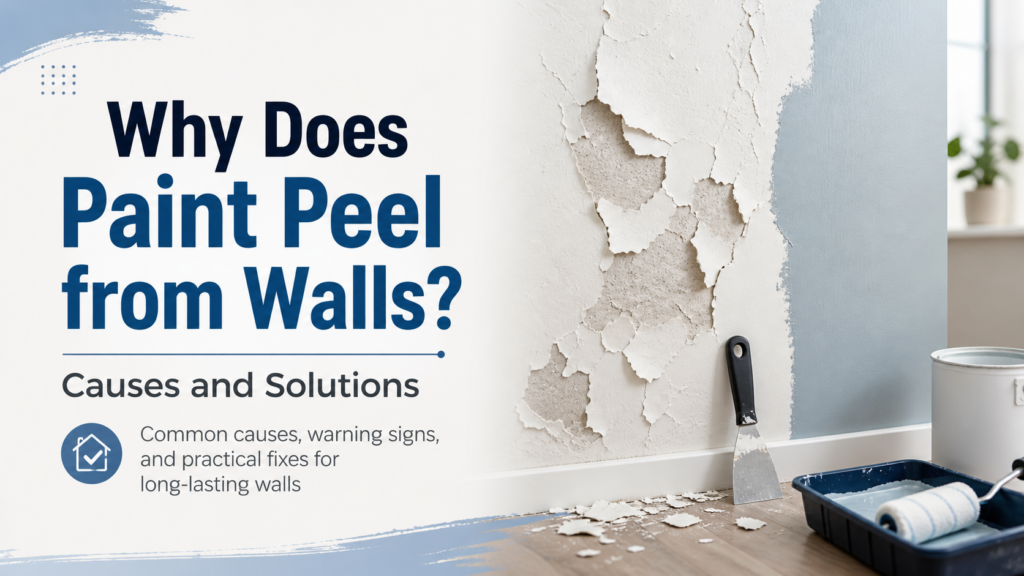
Peeling paint is one of the most common wall problems homeowners face. A wall may look fresh and beautiful after painting, but after some time, small flakes, bubbles, or peeling patches start appearing. This not only affects the look of the room but also indicates that something is wrong with the wall surface, paint quality, or application process. Many people think peeling paint happens only because of poor paint, but that is not always true. Paint can peel due to moisture, dust, weak surface preparation, wrong paint selection, or painting in unsuitable weather conditions. Understanding the real cause is important because repainting without fixing the problem may only hide it for a short time. The peeling can return again. What Is Paint Peeling? Paint peeling happens when the paint layer loses its grip on the wall surface. Instead of staying attached, it starts lifting, cracking, bubbling, or flaking away. Peeling may appear in small spots or large patches. It can happen on interior walls, exterior walls, ceilings, bathrooms, kitchens, boundary walls, and damp areas. The main reason behind peeling is poor adhesion, which means the paint is not properly bonding with the surface. Common Causes of Paint Peeling 1. Moisture and Dampness Moisture is one of the biggest reasons paint peels from walls. If water enters the wall through leakage, seepage, cracks, or humidity, it weakens the paint layer. This commonly happens in bathrooms, kitchens, exterior walls, basement areas, and walls near plumbing lines. Once moisture gets trapped inside, paint may start bubbling or peeling. Solution:Find and fix the source of moisture first. Repair leakage, seepage, or cracks before repainting. Allow the wall to dry completely, then use suitable primer and quality paint. 2. Poor Surface Preparation Paint needs a clean and smooth surface to stick properly. If the wall has dust, grease, old loose paint, powder, or dirt, the new paint may not bond well. Many homeowners skip cleaning and sanding before painting, which later causes peeling. Solution:Before painting, clean the wall properly. Remove old peeling paint, sand rough areas, fill cracks, and wipe away dust. A well-prepared surface gives better paint grip and a smoother finish. 3. Painting Over Old or Weak Paint If old paint is already loose, cracked, or weak, applying new paint over it will not solve the problem. The new coat may stick to the old paint, but if the old layer separates from the wall, both layers can peel together. Solution:Scrape off all loose and damaged paint before repainting. Do not paint over weak layers. Use primer to create a strong base for the new paint. 4. Skipping Primer Primer is often ignored, but it plays an important role in long-lasting paint results. It helps paint stick better and creates an even base, especially on new plaster, repaired areas, porous surfaces, or colour changes. Without primer, the wall may absorb paint unevenly, leading to patchiness and peeling. Solution:Use the right primer according to the wall condition. Primer is especially important for new walls, damp-treated walls, repaired patches, and surfaces with poor absorption. 5. Low-Quality Paint Low-quality paint may look acceptable at first, but it often has weak adhesion, poor coverage, and less durability. It may peel faster, especially in high-moisture or high-traffic areas. Solution:Choose good-quality paint designed for the surface and environment. Interior walls, exterior walls, wood, and metal surfaces all need different paint types. 6. Wrong Paint for the Surface Using the wrong paint can also cause peeling. For example, interior paint should not be used on exterior walls because it is not made to handle sunlight, rain, dust, and humidity. Similarly, wall paint should not be used on metal or wood furniture unless it is suitable for that surface. Solution:Always select paint based on the surface type. Use interior paint for indoor walls, exterior paint for outside walls, and special wood or metal paint for doors, furniture, grills, and gates. 7. Painting in Bad Weather Conditions Weather affects paint performance. Painting during rain, high humidity, extreme heat, or on a damp surface can cause poor drying and weak adhesion. For exterior walls, weather conditions are especially important. Solution:Paint when the weather is dry and suitable. Avoid painting during rainy days or when walls are wet. Allow enough drying time between coats. How to Fix Peeling Paint Properly To fix peeling paint, do not just cover the damaged area with a new coat. Follow a proper process: This process helps prevent the same problem from coming back. How to Prevent Paint from Peeling Again Prevention is always better than repair. To keep paint strong and long-lasting, make sure the wall is dry, clean, and properly prepared before painting. Use primer where needed, choose the right paint for the surface, and avoid painting during unsuitable weather. For exterior walls, use weather-resistant paint. For bathrooms and kitchens, choose paints that can handle moisture better. Regular wall maintenance also helps. If you notice small cracks, damp spots, or peeling areas, fix them early before the damage spreads. Final Thoughts Paint peeling is not just a surface problem. It usually happens because of moisture, poor preparation, weak old paint, wrong product selection, or unsuitable painting conditions. The best solution is to identify the cause before repainting. Once the wall is repaired, cleaned, primed, and painted with the right product, the finish can last much longer. Reliable Paints offers quality paint solutions for interior, exterior, wood, and metal surfaces to help homeowners achieve smooth, durable, and long-lasting results.
Paint Coverage Guide: How Many Coats Do You Need?
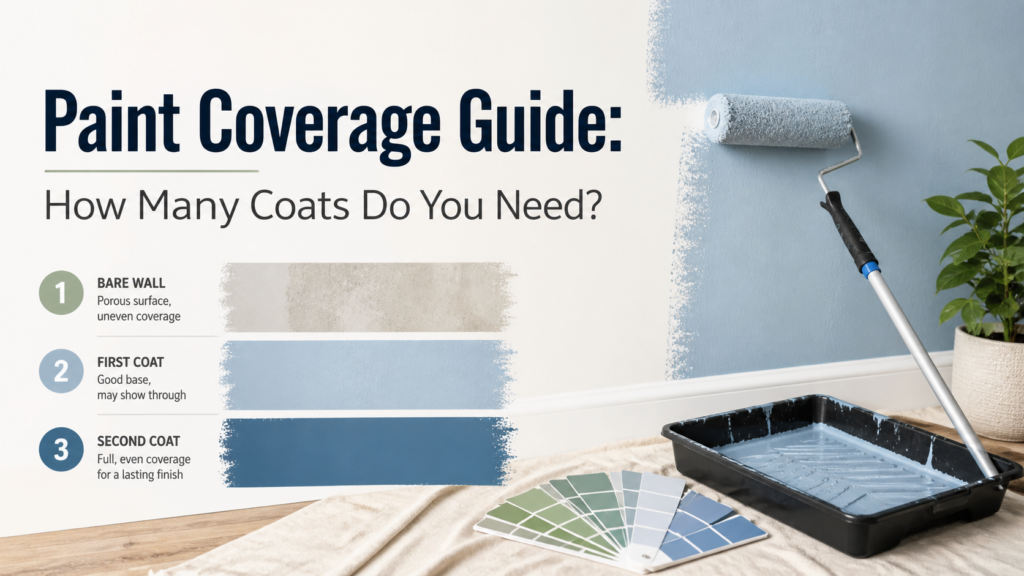
When painting a home, one of the most common questions homeowners ask is: “How many coats of paint do I need?” The answer depends on the wall condition, paint quality, colour choice, surface type, and whether primer is used. Some walls may look perfect after two coats, while others may need extra coverage to achieve a smooth and even finish. Applying too little paint can make the wall look patchy, while applying too many coats without proper drying can affect the final result. This guide will help you understand paint coverage in a simple way so you can plan your painting project better. What Does Paint Coverage Mean? Paint coverage means how much area a certain amount of paint can cover. It also refers to how well the paint hides the old wall colour, stains, patches, or surface marks. Good paint coverage gives your wall: Coverage is not only about the number of coats. It is also about surface preparation, paint quality, and correct application. How Many Coats of Paint Are Usually Needed? For most interior and exterior walls, two coats of paint are usually recommended. The first coat builds the base colour, and the second coat improves depth, smoothness, and durability. However, the exact number can change depending on the situation. One Coat May Be Enough When: Even then, many professionals still prefer two coats for a richer and longer-lasting finish. Two Coats Are Recommended When: For most homes, two coats give the best balance between appearance and performance. Three Coats May Be Needed When: Instead of applying many paint coats, it is often better to use primer first. Primer helps improve coverage and reduces the need for extra paint. Why Primer Matters for Paint Coverage Primer is not the final paint, but it prepares the wall for painting. It helps the paint stick better, improves coverage, and creates a more even base. Primer is especially useful when: Without primer, the wall may absorb more paint, making coverage uneven. This can increase paint usage and affect the final look. Factors That Affect the Number of Paint Coats 1. Wall Condition A clean and smooth wall needs fewer coats. A rough, cracked, dusty, or patched wall may need more preparation and paint. Before painting, always clean the wall, repair cracks, and remove loose paint. 2. Old Wall Colour Changing from a light colour to a dark colour is usually easier. But changing from dark red, blue, green, or brown to white or beige may need primer and extra coats. 3. Paint Quality High-quality paint gives better hiding power and smoother coverage. Cheap paint may require more coats, which can increase cost and time. 4. Surface Type New plaster, cement walls, wood, and metal all absorb paint differently. Each surface may need a different primer and paint system. 5. Application Method Brush, roller, and spray application can all affect coverage. A roller usually gives better coverage on walls, while brushes are useful for corners and edges. 6. Paint Finish Matt, semi-gloss, and gloss finishes may cover differently. Some finishes show wall imperfections more clearly, so proper surface preparation becomes important. Interior Walls vs Exterior Walls Interior walls usually need two coats for a smooth and fresh finish. Bedrooms, living rooms, hallways, and kitchens may require different finishes depending on use. Exterior walls often need stronger coverage because they face sunlight, dust, rain, and humidity. For exterior walls, primer plus two coats of weather-resistant paint is usually a better choice for long-lasting protection. Simple Paint Coverage Checklist Before deciding how many coats you need, ask these questions: Answering these questions can help you estimate paint quantity and avoid waste. Common Mistakes to Avoid Many homeowners apply a second coat too quickly. Paint needs proper drying time before the next coat. If the first coat is still wet, the final finish may become uneven. Another mistake is applying very thick coats. Thick paint layers can drip, crack, or dry unevenly. It is better to apply thin and even coats. Skipping surface preparation is also a major mistake. Even the best paint will not look good on a dusty, rough, or damaged wall. Final Thoughts So, how many coats of paint do you need? In most cases, two coats are enough for a smooth, even, and long-lasting finish. However, walls with stains, dark colours, rough surfaces, or poor previous paint may need primer and sometimes an extra coat. The best painting result comes from proper wall preparation, the right primer, quality paint, and correct application. Reliable Paints helps homeowners choose suitable paint solutions for different surfaces, finishes, and coverage needs.
Waterproof Wall Paints for Exteriors: A Complete Guide for Homeowners
Every homeowner wants their house to look clean, fresh, and well-maintained from the outside. But exterior walls have to face much more than just dust and sunlight. Rain, humidity, heat, moisture, and changing weather slowly affect the surface of your walls. At first, the damage may look small a little peeling, a faded patch, or a damp mark after rain. But with time, these small signs can turn into bigger problems like cracks, seepage, stains, and weak wall surfaces. This is why waterproof wall paints for exteriors are becoming an important choice for homeowners. They do not only improve the look of your home; they also add a protective layer that helps defend walls against moisture and weather damage. Why Exterior Walls Need Waterproof Protection Exterior walls are always exposed to open weather. During rainy seasons, water can enter small cracks or weak areas of the wall. In hot weather, sunlight can fade the paint and make the surface dry or rough. In humid conditions, walls may develop damp spots, fungus, or algae. Regular paint may give colour, but it may not provide enough protection against moisture. Waterproof exterior paint is designed to handle these challenges better. It helps reduce water absorption and keeps the wall surface stronger for a longer time. For homeowners, this means fewer repainting issues, better wall life, and a more attractive home exterior. What Is Waterproof Exterior Paint? Waterproof exterior paint is a special type of paint made for outdoor walls. Its main purpose is to protect the wall surface from water, rain, and moisture. When applied properly, it forms a protective coating that helps stop water from easily entering the wall. It is commonly used on: The right waterproof paint helps your exterior walls stay fresh, clean, and protected in different weather conditions. How Waterproof Paint Helps Your Home Waterproof wall paint works like a shield for your exterior walls. It helps protect the surface from rainwater, dampness, and moisture stains. This is especially useful in areas where walls are directly exposed to rainfall or humidity. It also helps prevent paint peeling. When moisture enters the wall, paint can start bubbling or flaking. Waterproof paint reduces this risk by improving surface protection. Another benefit is longer-lasting colour. Since exterior walls face sunlight and dust every day, choosing a durable paint helps keep the colour looking fresh for longer. Waterproof paint can also reduce maintenance costs. If your walls are protected properly, you may not need frequent repairs or repainting. Signs Your Exterior Walls Need Waterproof Paint You may need waterproof exterior paint if you notice these signs: These signs should not be ignored. Treating exterior walls early can help prevent bigger repair costs later. Surface Preparation Is Very Important Waterproof paint gives the best result when the wall is prepared properly. Many homeowners apply paint directly on damaged or damp walls, but this can cause the same problem to return. Before painting, the wall should be cleaned properly. Dust, dirt, loose paint, and old flakes should be removed. Cracks and holes should be repaired. If the wall is damp, it should be allowed to dry completely before applying paint. Primer is also important in many cases. It helps the paint stick better and improves the final finish. A properly prepared wall gives better waterproofing results and longer paint life. Common Mistakes Homeowners Should Avoid One common mistake is using interior paint on exterior walls. Interior paint is not made for outdoor weather, so it may not last long outside. Another mistake is painting over damp walls. If moisture is already inside the wall, new paint may peel again after some time. Many people also choose paint only because it is cheap. Low-cost paint may save money at first, but if it fades or peels quickly, it can become more expensive in the long run. Skipping primer, ignoring cracks, and painting during rainy weather are also mistakes that can affect the final result. How to Choose the Right Waterproof Paint When choosing waterproof wall paint for exteriors, think about your home’s location and weather exposure. If your walls receive direct rain or sunlight, choose a paint with strong weather resistance. Also check the wall condition before selecting paint. If there are cracks, seepage, or peeling areas, fix them first. Colour selection also matters. Light shades can make your home look brighter and may suit hot weather better, while darker shades can create a bold and modern look. Choose a colour that matches your home design and surrounding area. For better results, always take guidance from paint professionals before starting exterior painting work. Final Thoughts Waterproof wall paints for exteriors are a smart choice for homeowners who want strong, beautiful, and long-lasting walls. They help protect against rain, dampness, peeling, cracks, and weather damage. A good exterior paint is not only about colour. It is about protection, durability, and long-term value. With the right waterproof paint and proper surface preparation, your home can stay fresh and protected for years. Reliable Paints offers exterior paint solutions designed to help homeowners protect and beautify their walls with confidence.
Eco-Friendly Interior Paints for Walls: A Smart Choice for Modern Homes
When homeowners think about painting their walls, the first thing that comes to mind is usually colour. A soft beige for the bedroom, a modern grey for the living room, or a bright shade for the children’s room can completely change the look of a space. But paint is not only about colour. The type of paint you choose also affects the comfort, freshness, and overall feel of your home. Since interior walls cover a large area, using the right paint becomes important for daily living. This is why eco-friendly interior paints for walls are becoming a smart choice for modern homes. They are designed to give your walls a beautiful finish while supporting a more comfortable indoor environment. What Are Eco-Friendly Interior Paints? Eco-friendly interior paints are paints made with formulas that are more suitable for indoor spaces and usually have lower odour compared to traditional paint options. These paints are created to reduce unnecessary chemical impact and make the painting experience more comfortable. They are commonly used in bedrooms, living rooms, children’s rooms, kitchens, offices, schools, clinics, and other indoor areas where people spend a lot of time. A good eco-friendly interior paint should offer smooth finishing, good coverage, long-lasting colour, and a fresh look without making the room feel uncomfortable after painting. Why Modern Homes Need Eco-Friendly Paints Today’s homes are designed for more than just appearance. People want spaces that feel clean, peaceful, and comfortable. Families spend many hours indoors, so the materials used inside the home matter. Strong paint smell can make a freshly painted room difficult to use for several days. Eco-friendly interior paints are often preferred because they help reduce strong odour and make indoor painting easier to manage. For homes with children, elderly family members, or people sensitive to strong smells, choosing the right interior paint can make a real difference. Key Benefits of Eco-Friendly Interior Paints 1. Better Indoor Comfort One of the biggest benefits of eco-friendly paint is a more comfortable indoor experience. Low-odour paint helps rooms feel fresher after painting, especially in bedrooms and family areas. 2. Beautiful Wall Finish Eco-friendly paints do not mean boring or limited colours. Modern paint options can provide rich shades, smooth coverage, and elegant finishes for different interior styles. 3. Suitable for Family Spaces Bedrooms, lounges, dining rooms, and children’s rooms are used every day. Choosing paint that is more suitable for indoor areas helps create a pleasant living environment. 4. Long-Term Value Good-quality interior paint lasts longer, covers better, and keeps walls looking fresh. This helps reduce the need for frequent repainting and saves money in the long run. 5. Responsible Home Improvement Eco-friendly paint is a smarter choice for people who care about their home environment and want better product choices for daily living. Best Areas to Use Eco-Friendly Interior Paints Eco-friendly interior paints can be used in almost every indoor space. For bedrooms, soft colours like cream, beige, light grey, and pastel shades create a calm and relaxing feel. For living rooms, warm neutrals, modern greys, and feature walls can give a stylish look. For children’s rooms, choose cheerful colours with durable finishes because kids often touch or mark walls. For kitchens, select paint that can handle stains, moisture, and regular cleaning. For home offices, soft blues, greens, whites, and neutral tones can help create a focused and peaceful workspace. How to Choose the Right Eco-Friendly Paint Before buying paint, do not decide only by colour. First, check your wall condition. If the wall has cracks, dampness, dust, or peeling paint, fix these issues before painting. Next, choose the right finish. Matt finishes give a soft and modern look, while washable or smoother finishes are better for busy areas like lounges, hallways, and children’s rooms. Lighting is also important. A colour may look different in daylight and artificial light, so always test the shade before final selection. Also, do not choose paint only because it is cheap. Low-quality paint may look fine at first but can fade, peel, or require repainting sooner. A better paint gives better value over time. Common Mistakes to Avoid Many people make simple mistakes when selecting interior paint. They choose only by price, skip primer, ignore wall preparation, or use the wrong finish for the room. Another common mistake is choosing a colour from a shade card without testing it on the wall. Always apply a small sample first because wall texture and lighting can change how the colour looks. Proper preparation and the right paint selection are both important for a smooth and long-lasting finish. Final Thoughts Eco-friendly interior paints for walls are a smart choice for modern homes because they offer beauty, comfort, and better suitability for indoor spaces. They help reduce strong paint odour, provide a smooth finish, and support a fresher home environment. When choosing paint, think beyond colour. Consider the room type, wall condition, finish, durability, and long-term value. For homeowners who want quality guidance and dependable interior paint options, Reliable Paints offers solutions designed to help create beautiful, fresh, and comfortable living spaces. Choose smarter paints for walls that look good, feel fresh, and stay beautiful longer.
Best Paint Company in Pakistan : Quality, Durability & Innovation

Choosing the right paint is more than just selecting a beautiful colour. Paint protects your walls, improves the look of your space, increases property value, and creates a comfortable environment for your family, customers, or employees. Whether you are painting a home, office, shop, school, or commercial building, the quality of paint you choose makes a major difference. In Pakistan, where weather conditions can be challenging, customers need paints that are durable, long-lasting, easy to apply, and suitable for local environments. This is where the role of the best paint company in Pakistan becomes important. At Reliable Paints, we believe customers should understand what makes a paint truly reliable before making a purchase. This guide will help you learn the key qualities that define a trusted paint company and why quality, durability, and innovation should always be your top priorities. Why Choosing the Right Paint Company Matters Paint is not just a finishing material. It is a protective layer for your walls and surfaces. A poor-quality paint may look good at first, but over time it can fade, peel, crack, or lose its smooth finish. This results in extra maintenance, repainting costs, and disappointment. A good paint company focuses on: When you choose a trusted paint brand, you are not only buying paint you are investing in the beauty and protection of your property. Quality: The Foundation of a Good Paint Brand Quality is one of the most important factors when selecting paint. High-quality paint provides better coverage, stronger adhesion, smoother finishing, and improved resistance against daily wear and tear. A reliable paint should cover surfaces properly without requiring too many coats. It should spread evenly, dry smoothly, and maintain its colour for a long time. Good quality paint also helps reduce issues like patchiness, uneven texture, and early fading. At Reliable Paints, quality is at the heart of every product. From interior paints to exterior coatings, the goal is to provide customers with paint solutions that perform well and deliver a beautiful finish. Durability: Paint That Stands the Test of Time Pakistan’s climate can be tough on painted surfaces. Heat, sunlight, dust, moisture, and changing weather conditions can affect both interior and exterior walls. That is why durability is a key feature of any paint product. Exterior walls need paints that can handle sunlight, rain, humidity, and dust. Interior walls need paints that resist stains, marks, and regular cleaning. If the paint is not durable, it may start fading or peeling much earlier than expected. Durable paint helps customers save money in the long run because it reduces the need for frequent repainting. It also keeps homes and buildings looking fresh for a longer period. This is why customers should always look for paints that are specially designed for local weather and surface conditions. Innovation: Modern Paint Solutions for Modern Needs The paint industry has changed a lot over the years. Customers today want more than just colour. They want paints that are safer, more efficient, easier to maintain, and better suited for modern lifestyles. Innovation in paint includes: A forward-thinking paint company keeps improving its formulas to meet customer needs. At Reliable Paints, innovation plays an important role in creating paint products that support both style and performance. Whether you are renovating your home or working on a new construction project, choosing innovative paint products can help you achieve better results. Interior Paints: Creating Beautiful Indoor Spaces Interior paint has a direct impact on the feel of your space. The right colour can make a room look brighter, larger, warmer, or more peaceful. But beyond colour, interior paint should also be smooth, durable, and easy to clean. For bedrooms, living rooms, kitchens, offices, and children’s rooms, customers should choose paints that offer a neat finish and long-lasting beauty. In areas where walls are touched frequently, washable or durable finishes are a smart choice. Reliable Paints offers interior paint solutions designed to enhance indoor spaces while providing dependable performance. Exterior Paints: Protection Against Weather Conditions Exterior paint is your building’s first defense against harsh outdoor conditions. It protects walls from sunlight, rain, moisture, dust, and environmental damage. A good exterior paint should not only look attractive but also provide strong protection. It should resist fading, peeling, and cracking so your property continues to look fresh and well-maintained. For homes, commercial buildings, boundary walls, and outdoor surfaces, choosing the right exterior paint is essential. A trusted paint company understands these requirements and offers solutions that are suitable for Pakistan’s weather. Wood and Metal Paints: Protection Beyond Walls Paint is not only for walls. Wood and metal surfaces also need protection. Doors, windows, grills, gates, furniture, railings, and metal structures can lose their appearance over time if they are not properly coated. Wood paints help protect surfaces from moisture, scratches, and dullness. Metal paints help reduce the risk of rust and corrosion while improving the look of the surface. Using the correct paint for each surface is very important. Wall paint should not be used on metal or wood unless it is designed for that purpose. Choosing the right product ensures better finishing and longer life. How Customers Can Choose the Best Paint Before buying paint, customers should consider a few important points: 1. Surface TypeCheck whether you are painting interior walls, exterior walls, wood, metal, or another surface. 2. Weather ExposureFor outdoor areas, choose paints that can handle sunlight, rain, and dust. 3. Finish RequirementDecide whether you want a matt, glossy, smooth, or washable finish. 4. Colour SelectionChoose colours based on lighting, room size, furniture, and the mood you want to create. 5. Long-Term ValueDo not select paint only because it is cheap. Low-quality paint may cost more later due to repainting and maintenance. 6. Expert GuidanceAlways take advice from professionals or a trusted paint company before making a final decision. What Makes Reliable Paints a Trusted Choice Reliable Paints aims to provide customers with paint solutions that combine quality, durability, and innovation. The brand understands that every customer
Sustainable and Low-VOC Paint Options for Healthier Homes
Introduction That familiar “new paint smell” many people associate with a freshly painted room might seem harmless even satisfying. However, that smell actually comes from chemicals being released into the air, a process known as off-gassing. These chemicals, commonly called Volatile Organic Compounds (VOCs), can affect indoor air quality and potentially impact health. As more homeowners adopt sustainable lifestyles, the focus has expanded beyond energy-efficient appliances and eco-friendly materials to include healthier paint choices. Today, choosing paint is no longer only about color or finish it’s also about creating a healthier living environment. Fortunately, modern sustainable paint options make it easier than ever to improve your home’s look while protecting your indoor air quality and reducing environmental impact. Understanding VOCs: What Are They? Volatile Organic Compounds (VOCs) are chemical compounds found in many traditional paints, solvents, and household products. These compounds evaporate into the air as paint dries, releasing gases that contribute to indoor air pollution. Exposure to VOCs can lead to several short-term and long-term effects, including: In poorly ventilated spaces, VOC buildup may even contribute to what experts call “Sick Building Syndrome,” where occupants experience health issues linked to indoor environmental conditions. Beyond health concerns, VOCs also impact the environment. When released into the atmosphere, they contribute to ground-level ozone and smog formation, which affects air quality on a larger scale. Low-VOC vs. Zero-VOC Paint To address these concerns, regulations have encouraged manufacturers to reduce VOC levels. These modern alternatives allow homeowners to enjoy high-quality finishes while significantly reducing harmful emissions. The Benefits of Going Green Switching to eco-friendly paint products offers multiple advantages beyond environmental responsibility. 1. Improved Indoor Air Quality Low-VOC and zero-VOC paints release far fewer chemicals, which means cleaner indoor air for your family. This makes them particularly ideal for: 2. Faster Room Re-Use Traditional paints often require days of ventilation before a room can be comfortably occupied. Sustainable paints dry quickly and release minimal fumes, allowing homeowners to use the room the same day in many cases. 3. Reduced Environmental Impact Eco-friendly paints are manufactured with sustainability in mind. By choosing them, you help: Ultimately, switching to sustainable paint options is a small change that can make a meaningful difference for both your home and the planet. Types of Sustainable Paint Options Today’s market offers several environmentally friendly paint solutions designed to suit different styles, finishes, and project needs. 1. Low-VOC and Zero-VOC Acrylic Paints These are the most common eco-friendly alternatives for homeowners transitioning from traditional paints. Benefits include: Many brands now offer premium low-VOC interior paints that perform just as well as conventional options. 2. Natural Paints Natural paints are made from plant-based and mineral ingredients rather than synthetic chemicals. Common ingredients include: These paints are biodegradable and contain very few synthetic additives. They are ideal for homeowners seeking truly natural finishes in eco-conscious homes. 3. Milk Paint Milk paint is one of the oldest known paints, dating back thousands of years. It is made from simple ingredients: This biodegradable paint creates a distinctive matte, antique-style finish often used in rustic or vintage design projects. Milk paint is especially popular for: Because it contains no harsh chemicals, it is considered one of the safest and most environmentally friendly paints available. 4. Recycled Paint Another sustainable option is recycled paint, created by collecting unused paint from households and businesses, filtering and reprocessing it for resale. Benefits include: While color options may be more limited, recycled paint offers an excellent solution for large projects or budget-conscious eco upgrades. How to Identify Truly Sustainable Paint Not every paint marketed as “green” or “natural” actually meets strict environmental standards. Learning how to identify credible certifications is essential. Look for Trusted Certifications Several independent organizations verify eco-friendly products. Key certifications include: These labels indicate that a product has undergone testing and meets strict sustainability criteria. Check the VOC Content Marketing terms can sometimes be misleading. Always check the actual VOC level listed on the label, measured in grams per liter (g/L). Lower numbers indicate fewer emissions and better indoor air quality. Application Tips for Eco-Friendly Painting Projects Using sustainable paints effectively involves a few simple best practices. Choose a Low-VOC Primer Primer plays a crucial role in durability and coverage. Selecting a low-VOC primer ensures your entire project remains environmentally friendly. Maintain Proper Ventilation Even eco-friendly paints benefit from good airflow during application. Open windows or use fans to help the paint cure properly. Dispose of Paint Responsibly Leftover paint should never be poured down drains or thrown directly in the trash. Many communities offer paint recycling or hazardous waste collection programs. Sustainable Paint Without Compromise One common misconception about eco-friendly paint is that it sacrifices performance or color selection. Fortunately, modern paint technology has evolved dramatically. Today’s sustainable paints offer: Homeowners can now enjoy both high-performance results and environmentally responsible materials without compromise. Conclusion Choosing sustainable paint options is more than just a design decision it’s an investment in healthier living spaces and a cleaner environment. By selecting low-VOC or zero-VOC paints, homeowners can dramatically improve indoor air quality, reduce environmental impact, and create beautiful interiors without the harmful side effects of traditional coatings. At Reliable Paints, we believe that great color should never come at the cost of your health or the planet. Explore our Eco-Conscious Collection to discover premium sustainable paint solutions, or speak with our experts to find the perfect option for your next project. Related:
How to Protect Your Home from Weather Damage with Quality Paints
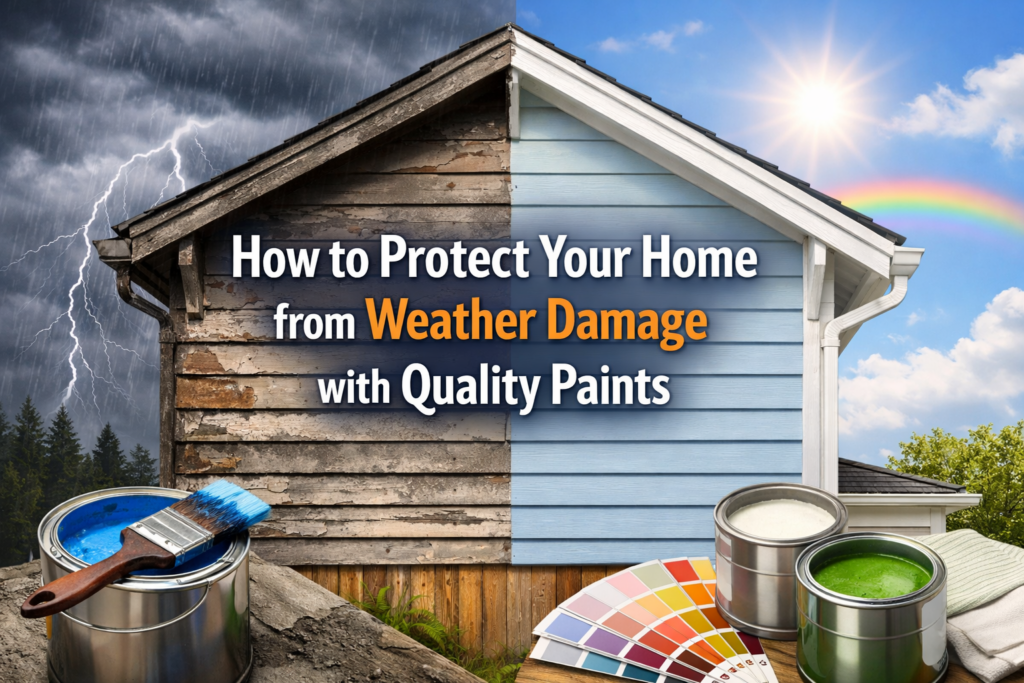
Introduction Weather can be unforgiving, from scorching heat to relentless rain and freezing temperatures. For homeowners and property managers, ensuring the longevity and health of their buildings against the elements is a priority. But many overlook an important line of defense that plays a significant role in protecting homes: the paint. Weather-resistant house paint is not just about aesthetics; it acts as the first barrier against UV radiation, moisture, and temperature fluctuations. Without it, the integrity of your property can rapidly decline due to weather damage. In this article, we’ll explain why investing in quality paints is essential for exterior home protection and how they can prevent long-term weather damage to keep your home protected for years to come. The Anatomy of Weather Damage Before delving into the specifics of protective paint features, it’s important to understand how the environment can damage a home. UV Radiation The sun’s rays are the most prominent force that gradually erodes the integrity of exterior surfaces. Over time, UV radiation can cause paint to fade, lose vibrancy, and even crack. This phenomenon, called “chalking,” happens when the paint’s pigments degrade due to prolonged exposure to sunlight. When the paint surface deteriorates, not only does it become unsightly, but it also loses its ability to protect the underlying materials from the elements. Moisture & Humidity Rain and humidity play a crucial role in weakening your home’s exterior. When water seeps into cracks, it can result in mold, mildew, and even wood rot. Over time, moisture exposure causes wood, brick, and other building materials to deteriorate, resulting in costly repairs. The importance of preventing water infiltration cannot be understated. This is why waterproof exterior coatings, which provide a solid water-resistant barrier, are essential to maintaining the structural integrity of your home. Temperature Fluctuations Extreme temperature changes, especially those seen during seasonal transitions, cause materials to expand and contract. This thermal fluctuation can put significant stress on both your paint and the underlying surfaces. As the paint stretches and contracts, it can begin to peel or crack, exposing the building material to further weather damage. Thermal expansion is a constant challenge for maintaining the durability of your home’s exterior. Key Features of “Quality” Protective Paint When choosing paint for exterior home protection, not all products are created equal. Quality paints offer distinct features that significantly enhance the longevity and effectiveness of the coating. Here’s what homeowners should look for when selecting weather-resistant paints: Elasticity Elasticity is a critical characteristic of quality paint. This refers to the paint’s ability to stretch and adapt to the natural expansion and contraction of the materials beneath. Paints with high elasticity can endure temperature fluctuations without cracking, providing a longer-lasting protective shield for your home. Breathability Breathable paint allows moisture trapped inside the walls to escape while preventing external moisture from seeping in. This characteristic is particularly important in climates with high humidity or frequent rainfall. It ensures that the walls don’t become damp, which could lead to mold and mildew growth. High Pigment Volume UV radiation is a major concern when it comes to the longevity of paint. Paints with a high pigment volume provide better protection against UV rays, maintaining their color and finish for much longer. High-quality paints use pigments that resist fading, ensuring that the exterior of your home continues to look vibrant, even after years of exposure to the sun. Mildewcide/Fungicide Mold and mildew are common issues in damp environments. To combat this, many high-quality paints include mildewcides or fungicides to prevent organic growth. This added protection ensures that the paint stays clean and intact, contributing to the overall health and durability of your home’s exterior. The “Reliable” Process: Preparation is 70% of the Job Proper preparation is key to ensuring that your weather-resistant paint provides maximum protection. While applying quality paint is important, without thorough surface preparation, even the best paint may not perform as expected. Here’s how you can prepare for a flawless, long-lasting paint job: Cleaning the Surface Before applying any paint, the surface must be thoroughly cleaned. Use pressure washing to remove dirt, grime, and loose paint. This ensures that the new paint will adhere properly and provides a smooth, clean base for the next steps. Scraping and Sanding Old, Failing Paint If there’s any old, cracked, or peeling paint on the surface, it must be scraped off. Sanding smooths out the surface to eliminate imperfections and ensures a better bond with the primer and paint. This step is crucial to avoid any imperfections that might show up under the new coat of paint. The Importance of High-Quality Primer A high-quality primer is essential in sealing the surface before applying the topcoat. Primer acts as a bonding agent, allowing the paint to adhere better while also providing a smooth surface for the final coat. It also prevents stains, moisture, and other elements from affecting the painted surface, ensuring long-term durability. Choosing the Right Finish for Your Climate The finish of your paint plays a significant role in its overall performance. In areas with harsh weather conditions, choosing the right finish can make a noticeable difference in protecting your home. High-Gloss/Satin If you’re looking for better moisture resistance and ease of cleaning, high-gloss or satin finishes are ideal. These finishes provide a smooth, reflective surface that helps repel water and dirt, making maintenance much easier. They’re also more durable, ensuring that your home’s exterior is better protected against the elements. Matte While matte finishes are not as moisture-resistant as high-gloss, they offer other benefits. Matte finishes are better at hiding surface imperfections like cracks and dents. However, they require higher-quality resins to maintain durability, especially in areas prone to extreme weather. In climates with milder conditions, a matte finish may be a great choice for its aesthetic appeal. Conclusion & Maintenance Tips Investing in quality weather-resistant house paint now will save you thousands in repairs later. By choosing the right paint with the right features, you’ll ensure that your home remains protected against
High-quality Paint For Interior Walls In Homes

When you walk into a room, you don’t just see the color; you feel the atmosphere. But for many homeowners, there is a common fear: “Is high-quality paint worth the high price tag?” At our core, we believe that every home deserves a masterpiece finish without a luxury markup. By focusing on smart manufacturing and high-grade ingredients, we provide a high-quality interior finish at a price that fits your budget. Here is why choosing a premium finish is the smartest investment you can make for your home. 1. The “Invisible” Shield: Superior Washability In a real home, life happens. Kids use walls as canvases, coffee spills, and furniture leaves scuffs. Low-grade paints are porous, meaning stains soak in forever. Our high-quality emulsions are engineered with a tighter molecular bond. Think of it as an invisible shield. Whether it’s a crayon mark or a mud stain, our premium finish allows you to wipe the surface clean without removing the paint itself. You get a “new home” feeling every time you clean. 2. Factory-Direct Value: Premium Quality, Lower Price Most people think quality costs more because of the “brand name.” However, because we handle the production of our paints, we eliminate the middleman. This allows us to offer: 3. Breathe Easy: The Low-VOC Revolution Ever had a headache after painting a room? That’s caused by Volatile Organic Compounds (VOCs). We formulate our paints to be Low-VOC and Odorless. This means you can paint a bedroom in the morning and sleep in it comfortably that same night, knowing the air your family breathes is safe and toxin-free. 4. The Economics of “Doing it Once” It’s a classic trap: saving a few thousand rupees on a cheaper bucket today. However, when that paint starts to peel or fade in 18 months, you have to pay for labor and materials all over again. Investing in our high-performance interior wall finish means your walls stay vibrant for years. When you do the math, our high-quality, low-price model is actually the most budget-friendly choice you can make. Comparison: Standard vs. Our High-Quality Interior Paint Feature Standard Paint Our Premium Finish Durability Chips and fades easily Resists scuffs and wear Cleaning Stains become permanent Washable and wipeable Application Needs 3+ coats for coverage Full coverage in 1-2 coats Air Quality Strong chemical odor Low-VOC & eco-friendly Price Point Cheap (but needs repainting) Affordable & Long-Lasting Final Thought: Your Home is Your Sanctuary Your walls are the background to every memory you make. Don’t just cover them—protect them. By choosing a high-grade interior finish at a factory-direct price, you aren’t just buying paint; you’re buying years of beauty, cleanliness, and peace of mind.
Where to Buy Interior Paints for Every Budget
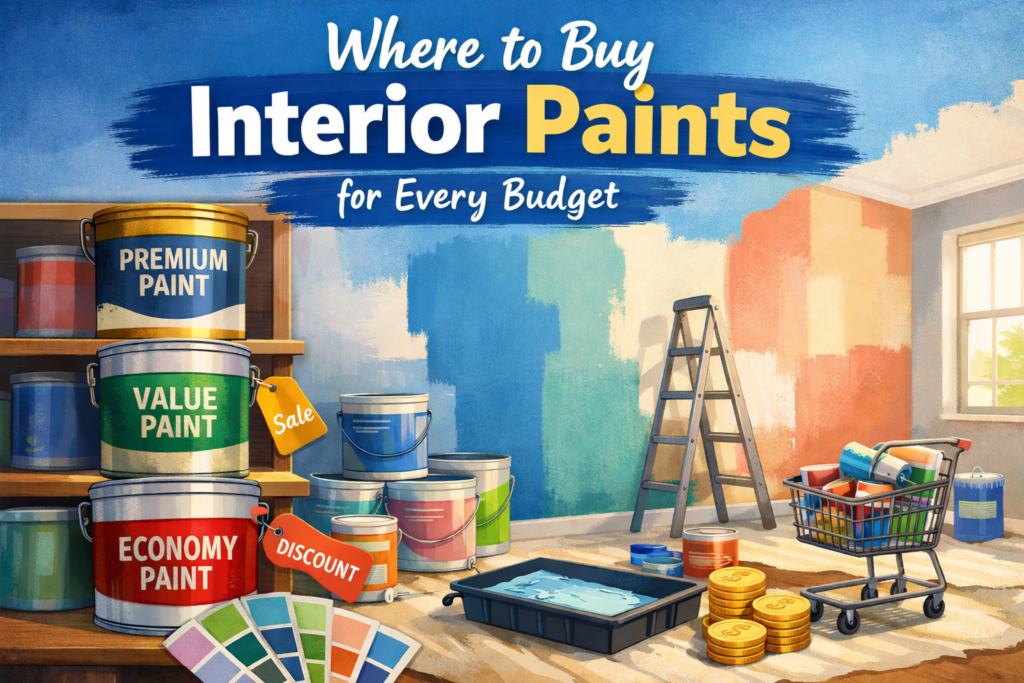
When it comes to transforming your home with a fresh coat of paint, finding the right place to buy interior paints is just as important as choosing the right color. At Reliable Paints, we understand that every project is unique, and so is every budget. That’s why we offer a wide range of interior paints to suit all your needs without compromising on quality. 1. Affordable Options for Budget-Friendly Makeovers You don’t have to spend a fortune to give your home a fresh new look. Our economy and standard range of interior paints are perfect for those who want excellent coverage, durability, and vibrant colors—all at wallet-friendly prices. Ideal for bedrooms, living rooms, or even your office, these paints help you achieve a polished finish without stretching your budget. 2. Premium Paints for a Luxurious Finish If you’re looking for something extra special, our premium range offers unmatched quality, richer colors, and longer-lasting results. Designed for homeowners who want their interiors to reflect elegance and sophistication, these paints provide superior coverage and a flawless finish that will last for years. 3. Eco-Friendly and Safe Paints At Reliable Paints, we care about your health and the environment. That’s why we offer eco-friendly interior paints with low VOC (Volatile Organic Compounds) that are safe for your family and pets. You can beautify your home without compromising on safety or sustainability. 4. Why Buy from Reliable Paints? 5. How to Get Started Buying interior paints from Reliable Paints is easy: No matter your budget or your vision for your space, Reliable Paints is your trusted partner for all interior painting projects. Explore our range today and bring your home to life with colors that inspire.
Top Picks for Durable Wood and Metal Paint for Doors: A Comprehensive Guide

Painting your doors isn’t just about aesthetics it’s about protection, longevity, and creating a lasting impression. Whether your doors are made of wood or metal, choosing the right paint can significantly boost durability, resist weathering, and keep them looking fresh for years. In this guide, we’ll explore the best paints for wood and metal doors, what makes them stand out, and tips to make your paint job last longer. Why Choosing the Right Paint Matters Doors bear the brunt of daily wear and tear from weather exposure to frequent opening and closing. The right paint: ✅ Protects against moisture, rust, and UV damage✅ Prevents peeling, cracking, and fading✅ Enhances curb appeal✅ Reduces maintenance costs over time Whether you’re painting a rustic wooden entrance or a sleek metal interior door, durability should be a top priority. Top Picks for Durable Wood Door Paints 1. High‑Quality Exterior Acrylic Latex Paint Great for: Wood doors exposed to sunlight and rain Why it’s a top choice: Best For: Front doors, garden doors, patios 2. Oil‑Based Alkyd Enamel Paint Great for: Smooth, hard finishes on wood Why it’s a top choice: Best For: Interior wood doors and rooms with heavy use 3. Weather‑Resistant Exterior Wood Paint Great for: Wood doors in extreme climates Why it’s a top choice: Best For: Doors that see intense sun or rain Top Picks for Durable Metal Door Paints 1. Rust‑Preventive Primer + Top Coat System Great for: Metal doors prone to corrosion Why it’s a top choice: Best For: Exterior metal doors 2. Alkyd Enamel Paint for Metal Great for: High‑impact, lasting finishes Why it’s a top choice: Best For: Metal doors inside garages or workshops 3. Epoxy‑Modified Coating Great for: Maximum resistance and tough environments Why it’s a top choice: Best For: Metal doors in commercial or heavy‑use areas Tips for Painting Doors Like a Pro To ensure the best result no matter what paint you choose follow these tips: 1. Prep is Everything 2. Always Use a Primer Primers help the paint adhere better and last longer especially for metal doors. 3. Choose the Right Finish 4. Don’t Rush Dry Times Give each coat time to cure before applying the next this boosts lifespan dramatically! Final Thoughts Choosing the best paint for your wood and metal doors doesn’t have to be confusing. With the right products and a bit of preparation, you can achieve long‑lasting results that protect and beautify! Whether you’re refreshing your front door to boost curb appeal or shielding a metal garage door from rust, these top picks give you options that combine durability, beauty, and value.
How Heat Proof Paint Can Reduce Your Home’s Indoor Temperature
As temperatures rise every year, keeping homes cool has become a serious challenge—especially in hot regions. Air conditioners work, but they increase electricity bills and put pressure on the environment. Many homeowners are now looking for smart, cost-effective solutions to reduce indoor heat naturally. One such solution is heat proof paint. Heat proof paint is not just a trend; it is a practical way to keep your home cooler, more comfortable, and energy-efficient. In this blog, we will explain what heat proof paint is, how it works, and how it can lower your home’s indoor temperature, all in easy words that anyone can understand. What Is Heat Proof Paint? Heat proof paint (also called heat reflective paint or thermal insulation paint) is a special type of coating designed to reflect sunlight and heat instead of absorbing it. Normal paint absorbs heat from the sun, especially on rooftops and exterior walls. This heat travels inside your home, making rooms hotter. Heat proof paint works differently—it reflects a large portion of the sun’s rays, keeping the surface cooler. In simple terms: How Heat Enters Your Home Before understanding how heat proof paint helps, let’s see how heat actually enters your house: Once heat enters, it stays trapped—especially in poorly ventilated homes. How Heat Proof Paint Works (Step by Step) Heat proof paint uses advanced reflective pigments and insulating materials. Here’s how it works in simple steps: Step 1: Sunlight Hits the Surface The sun’s rays fall on your roof or wall. Step 2: Heat Gets Reflected Instead of absorbing heat, heat proof paint reflects a large portion of infrared and UV rays. Step 3: Surface Stays Cooler Because less heat is absorbed, the painted surface remains 10–15°C cooler than normal paint. Step 4: Less Heat Enters Indoors When the roof and walls are cooler, less heat transfers inside your home. Step 5: Cooler Indoor Temperature Your rooms feel noticeably cooler, even without air conditioning. How Much Can Heat Proof Paint Reduce Indoor Temperature? While results depend on weather, surface type, and application, homeowners typically experience: This reduction makes a big difference, especially in homes without central cooling. Benefits of Using Heat Proof Paint 1. Lower Electricity Bills Since your home stays cooler naturally, you use less air conditioning and fewer fans, reducing monthly electricity costs. 2. Improved Indoor Comfort Rooms feel more comfortable, especially top floors and roof-adjacent spaces. 3. Longer Roof Life Heat causes cracks and damage over time. Cooler surfaces mean less expansion and contraction, extending roof life. 4. Eco-Friendly Solution Reduced energy consumption means lower carbon emissions, making your home more environmentally friendly. 5. Cost-Effective Investment Compared to installing insulation panels or solar solutions, heat proof paint is affordable and easy to apply. Where Should Heat Proof Paint Be Applied? To get the best results, apply heat proof paint on: Focusing on the roof alone can already make a big difference. How to Apply Heat Proof Paint (Easy Guide) You don’t need to be an expert to understand this process. Step 1: Surface Cleaning Remove dust, dirt, oil, and loose particles. A clean surface ensures better performance. Step 2: Crack Repair Fill cracks or gaps using suitable filler or waterproofing compound. Step 3: Primer (If Required) Some surfaces need a primer for strong paint bonding. Step 4: Apply Heat Proof Paint Apply 2 coats using a roller or brush, following manufacturer instructions. Step 5: Let It Cure Allow proper drying time before exposure to heavy use or rain. Heat Proof Paint vs Regular Paint Feature Regular Paint Heat Proof Paint Heat Absorption High Very Low Indoor Cooling No Yes Energy Saving No Yes Roof Protection Limited Excellent Summer Comfort Poor High Common Myths About Heat Proof Paint “It Works Only on Roofs” False. While roofs are most effective, walls and metal surfaces also benefit. “It Completely Replaces AC” Not entirely. But it reduces AC usage significantly, saving money. “It’s Too Expensive” Compared to long-term electricity savings, heat proof paint is budget-friendly. Is Heat Proof Paint Worth It for Homes? Yes especially if: It’s a one-time application with long-term benefits. Final Thoughts Heat proof paint is a simple yet powerful solution for reducing indoor temperature naturally. By reflecting sunlight instead of absorbing it, this paint keeps roofs and walls cooler, reduces heat transfer, lowers electricity bills, and improves indoor comfort. For homeowners and consumers looking for easy, affordable, and effective cooling solutions, heat proof paint is an excellent investment. Whether you are building a new home or upgrading an old one, applying heat proof paint can make a noticeable difference—without complicated installations or high costs. A cooler home starts with smarter choices, and heat proof paint is one of the smartest steps you can take.
The Best Paint for Wood and Metal Furniture: Enhance the Aesthetic and Durability

Whether you’re upcycling an old chair or giving your patio set a fresh look, choosing the best paint for wood and metal furniture can make all the difference. The right paint not only enhances the visual appeal but also protects the surface from wear, weather, rust, and daily use. In this guide, we’ll walk you through how to pick the ideal paint for both wood and metal, what features to look for, and our top recommendations to help you achieve a professional, long-lasting finish. Why Choosing the Right Paint Matters Wood and metal behave differently: Using the wrong paint can lead to peeling, cracking, fading, or a short lifespan for your furniture finish. What to Look for in Paint for Wood and Metal Furniture 1. Versatility Look for paints specifically designed to work on both wood and metal. These often include improved adhesion and flexibility. 2. Durability Furniture, especially pieces used outdoors or frequently handled, needs paints that resist: 3. Rust and Corrosion Protection (for Metal) Metal furniture benefits from paints that contain rust inhibitors or are compatible with anti-rust primers. 4. Ease of Application Water-based acrylic paints are often easier to apply and clean up, while oil-based options may offer tougher finishes. 5. Finish Options Different finishes create different looks: Preparation: The Unsung Hero of a Great Finish No matter how good the paint is, preparation determines the outcome. Steps to Prepare Wood and Metal Furniture: Primer improves adhesion and extends paint life. Top Paint Options for Wood and Metal Furniture Here are some of the most recommended paints that balance aesthetic results and lasting durability: 1. All-in-One Acrylic Paints These paints work on both wood and metal without separate primers. They’re water-based, low-odor, and easy to clean. Best For: Indoor furniture, DIY projects, beginner painters Benefits: 2. Latex Paint with Primer Latex paints formulated with built-in primer provide good durability for indoor furniture and lightly used outdoor pieces. Best For: Wood furniture and mild outdoor exposure Benefits: 3. Rust-Resistant Paint for Metal These paints contain rust-inhibiting properties or can be used with metal primers to protect against corrosion. Best For: Outdoor metal furniture, railings, garden décor Benefits: Tips to Maximize Longevity and Look ✔ Apply Multiple Thin Coats Two or three thin coats are stronger and smoother than one thick coat. ✔ Sand Between Coats Light sanding between coats improves bonding and smoothness. ✔ Use a Clear Protective Topcoat For extra durability, especially outdoors, seal with a topcoat like polyurethane or clear enamel. Finish Like a Pro: Final Thoughts Painting wood and metal furniture is one of the most impactful DIY upgrades you can make. The key is choosing the right paint that balances appearance, protection, and longevity. Here’s a quick recap: With the right approach, your furniture won’t just look great, it’ll stand the test of time.