


How to Choose Paint for Living Room Walls: Colours, Finish and Interior Design Tips
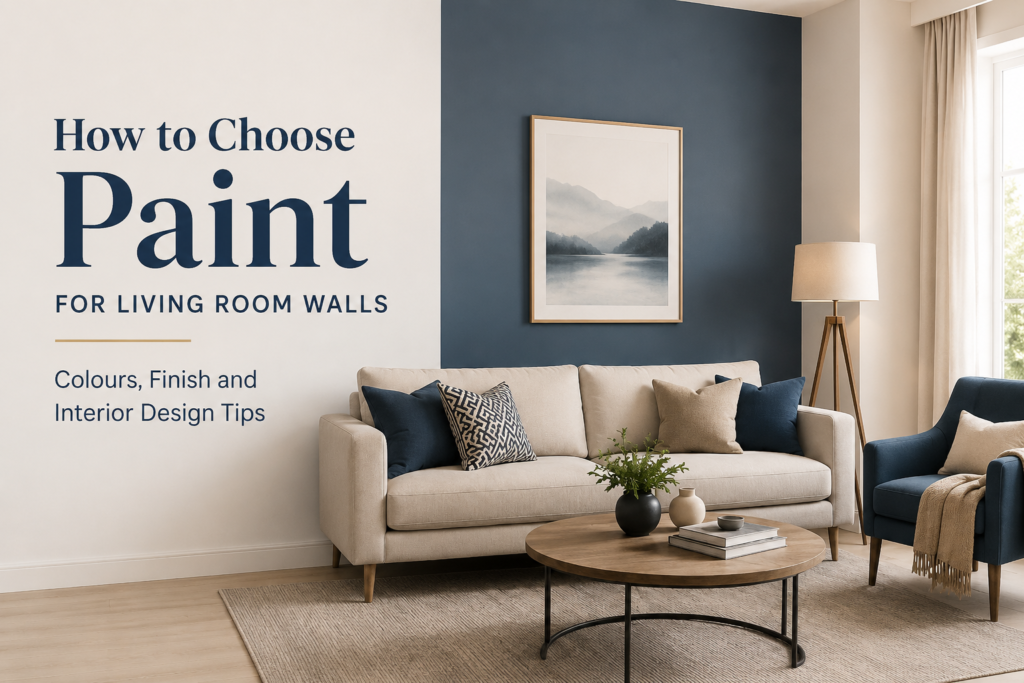
Choosing the right paint for living room walls is one of the most important decisions in home interior design. Your living room is usually the most visible and frequently used area of the house. It is where guests sit, family members relax, conversations happen, and the overall personality of your home becomes visible. A good living room wall paint does more than add colour. It affects brightness, space perception, furniture balance, mood, comfort and the overall interior style. The right colour can make a small living room feel open, a plain space feel elegant, and a modern interior feel warm and welcoming. This guide explains how to choose paint for living room walls by considering colour, finish, lighting, furniture, room size and design style. Quick Answer: What Is the Best Paint for Living Room Walls? The best paint for living room walls depends on your interior theme, lighting and lifestyle. For most homes, neutral colours like off-white, warm beige, greige, light grey and soft taupe work well because they match easily with furniture and décor. For the finish, matt or eggshell is a good choice for a smooth, elegant look, while satin works better in homes that need easier cleaning and better durability. Why Living Room Wall Paint Matters Living room paint plays a major role in creating the first impression of your home. Even expensive furniture and décor can look dull if the wall colour does not support the overall design. The right paint helps you: Wall paint should never be selected only because a colour looks good on a chart. It should be selected according to your room’s size, lighting, furniture colour, floor tone and daily use. Step 1: Understand Your Living Room Size Room size is one of the first things to consider before choosing paint. For Small Living Rooms Small living rooms usually look better with lighter colours. Light shades reflect more light and make the space feel open and airy. Best colours for small living rooms include: Avoid very dark shades on all walls in a small living room because they can make the space feel tighter. However, a dark accent wall can still work if the rest of the room is balanced with light furniture and good lighting. For Large Living Rooms Large living rooms give you more freedom to use deeper and richer shades. You can use warm neutrals, earthy tones, muted greens, navy, charcoal or elegant brown shades depending on your design theme. Best colours for large living rooms include: Large spaces can sometimes feel empty or cold, so warmer colours often help create comfort and depth. Step 2: Check Natural and Artificial Lighting Lighting changes how paint looks on your wall. A colour that looks perfect in a store may look completely different inside your living room. Living Rooms with Good Natural Light If your living room receives plenty of sunlight, you can use both light and medium shades. Natural light makes colours appear clearer and brighter. Good options include: Living Rooms with Low Light If your room has limited natural light, avoid dull or muddy shades. Choose colours that brighten the space. Good options include: In low-light rooms, very cool greys may look flat or gloomy. Warmer undertones usually create a more comfortable feeling. Step 3: Match Paint Colour with Furniture Your wall colour should support your furniture, not compete with it. Before selecting paint, look at your sofa, curtains, rugs, wooden furniture, TV console and flooring. Best Wall Colours for Dark Furniture Dark furniture looks beautiful with lighter walls because it creates contrast. Recommended colours: These colours allow dark brown, black or walnut furniture to stand out without making the room feel heavy. Best Wall Colours for Light Furniture Light furniture gives you more flexibility. You can keep the walls soft and minimal or add a deeper accent shade. Recommended colours: Best Wall Colours for Wooden Furniture Wooden furniture pairs well with warm and earthy shades. Recommended colours: For traditional interiors, warm creams and beige shades work beautifully. For modern interiors, greige and olive can create a premium look. Living Room Paint Colour and Finish Chart Step 4: Choose the Right Paint Finish Paint finish affects the final look, durability and maintenance of your walls. The same colour can look different in matt, satin or gloss finishes. Matt Finish Matt finish gives a smooth, elegant and non-shiny appearance. It is ideal for modern living rooms where you want a soft and premium look. Best for: Matt paint hides wall flaws better than shiny finishes, but it may be slightly harder to clean unless it is a washable matt paint. Eggshell Finish Eggshell has a soft low-sheen appearance. It is more durable than matt and still looks elegant. Best for: Eggshell is one of the safest choices for living room walls because it offers both beauty and practicality. Satin Finish Satin finish has a slightly smoother and more reflective surface. It is easier to clean and works well in homes with children or high activity. Best for: Satin can highlight wall imperfections more than matt, so the wall surface should be properly prepared before painting. Semi-Gloss or Gloss Finish Glossy finishes are usually not recommended for full living room walls because they reflect too much light and can make the wall look uneven. However, they can be used for trims, doors, moulding or decorative details. Step 5: Decide Between Full Room Colour and Accent Wall An accent wall is a great way to add style without making the whole room look too dark or busy. When to Use an Accent Wall Use an accent wall when: Popular accent wall colours include: The best wall for an accent colour is usually the TV wall, sofa-back wall or the wall with decorative panels. Step 6: Consider Your Interior Design Theme Your living room paint should match your overall design theme. Modern Interior For a modern living room, use clean and calm shades. Best colours: Modern interiors usually look best with matt