


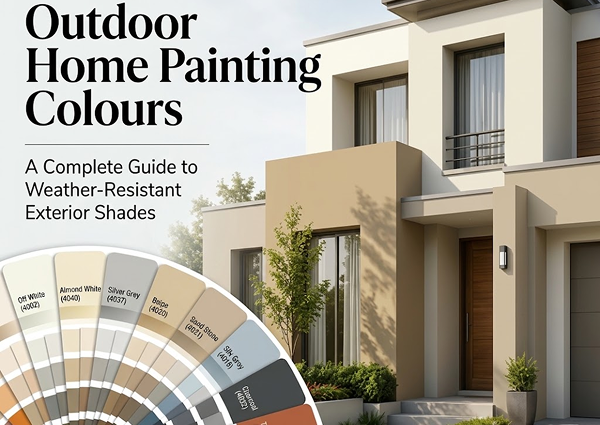
Choosing the right outdoor home painting colours is one of the most important decisions for your home’s exterior look and long-term protection. Exterior walls face sunlight, rain, dust, humidity, heat, pollution and seasonal weather changes. That is why outdoor paint should not only look beautiful, but also stay strong, clean and fresh for a longer time.
A good exterior wall colour can improve curb appeal, protect the surface and make your home look modern, elegant and well-maintained. However, choosing the wrong colour may make the exterior look dull, faded or difficult to maintain.
This complete guide will help you choose weather-resistant exterior wall shades according to climate, home style, surface condition, sunlight exposure and long-term durability, directly matching the official Reliable Weather Shade Card options.
Quick Answer: What Are the Best Outdoor Home Painting Colours?
The best outdoor home painting colours are shades that can handle sunlight, dust and changing weather while keeping the home exterior attractive. Popular options from the Reliable Weather Shade Card include:
-
Light Neutrals: Off White (4002), Ash White (4003), Almond White (4040), Silver Grey (4037)
-
Earthy Tones: Beige (4020), Fawn (4025), Sand Stone (4021), Silk Stone (4018)
-
Modern Greys: Sky Grey (4016), Dove Grey (4013), Night Sky (4044), Charcoal (4032)
-
Classic Accents: Terracotta (4009), Brick Stone (4006), Multani Tile (4029), Avocado (4031)
Light and neutral colours are usually safer for hot climates because they reflect heat better and fade less noticeably than very dark colours. For long-lasting results, choose weather-resistant exterior paint like Reliable Weather Protector with UV protection, water resistance, anti-fungal properties and good adhesion.
Key Factors to Consider Before Choosing Exterior Wall Colours
Before finalizing outdoor home painting colours, you should check your home’s location, weather exposure, design style and maintenance needs.
1. Climate and Weather Conditions
Exterior walls are directly exposed to sunlight, rain, humidity and dust. In hot and sunny areas, very dark colours may absorb more heat and fade faster. In dusty areas, very bright white may need more cleaning.
-
For hot weather, use: Off White (4002), Ash White (4003), Almond White (4040), Beige (4020), Sand Stone (4021), Silver Grey (4037).
-
For rainy or humid areas, use: Weather-resistant neutral shades with anti-fungal exterior paint properties that hide moisture marks better.
-
For dusty areas, use: Beige (4020), Fawn (4025), Sand Stone (4021), Silk Stone (4018), Hopsack (4023).
2. Sunlight Exposure
Sunlight can change how exterior paint looks over time. Strong sunlight can make colours look brighter during the day and may cause low-quality paint to fade.
For walls facing direct sunlight, choose UV-resistant exterior paint and avoid extremely dark shades on large wall areas.
-
Best Reliable shades for sunny exteriors: Off White (4002), Almond White (4040), Beige (4020), Sand Stone (4021), Sky Grey (4016), Spice (4028).
3. Home Architecture
The colour should match your home’s structure. A modern home may look better with grey, white and charcoal combinations, while a classic house may suit cream, beige, brown and terracotta.
-
For modern homes: Off White (4002) & Sky Grey (4016), Silver Grey (4037) & Charcoal (4032), Night Sky (4044) & White (4001).
-
For traditional homes: Beige (4020) & Terracotta (4009), Sugar Cane (4022) & Spice (4028), Sand Stone (4021) & Brick Stone (4006).
-
For luxury homes: Silver Grey (4037) & Charcoal (4032), Fawn (4025) & Night Sky (4044), New Ash White (4039) & Spice (4028).
4. Roof, Gate and Window Colours
Outdoor paint should not be selected separately from the rest of the exterior. Your roof, gate, windows, tiles, boundary wall and front door all affect the final look.
-
For black gates and windows, use: White (4001), Off White (4002), Sky Grey (4016), Silver Grey (4037), Beige (4020).
-
For brown wooden doors, use: Almond White (4040), Beige (4020), Sand Stone (4021), Fawn (4025), Silk Stone (4018).
-
For red or terracotta roofs, use: Off White (4002), Sugar Cane (4022), Autumn Stone (4019), Sand Stone (4021).
Outdoor Home Painting Colour Chart (Reliable Shades)
| Exterior Colour / Shade | Exact Reliable Code | Best For | Weather Benefit | Design Look | Maintenance Level |
| Off White |
4002 |
Modern and classic homes | Reflects heat and looks bright | Clean and elegant | Medium |
| Beige |
4020 |
Hot and dusty areas | Hides dust better than pure white | Warm and timeless | Low |
| Sky Grey |
4016 |
Modern homes | Handles sunlight well with quality paint | Sleek and simple | Medium |
| Sand Stone |
4021 |
Main walls and boundary walls | Ideal for dusty environments | Natural and soft | Low |
| Fawn |
4025 |
Luxury exterior design | Hides stains and dust better | Premium and modern | Low to medium |
| Terracotta |
4009 |
Traditional homes | Warm shade suitable for accents | Earthy and bold | Medium |
| Avocado |
4031 |
Feature areas and garden homes | Blends with natural surroundings | Calm and stylish | Medium |
| Charcoal |
4032 |
Accent walls, trims and gates | Strong visual contrast | Modern and bold | High (if widespread) |
| Spice |
4028 |
Classic exterior details | Hides marks and dust well | Strong and grounded | Low |
| Silver Grey |
4037 |
Contemporary homes | Balanced cool tone | Soft and premium | Medium |
Best Outdoor Home Painting Colours for Different Exterior Styles
1. White and Grey for Modern Homes
-
Main walls: Off White (4002) or Silver Grey (4037)
-
Accent: Sky Grey (4016) or Goose Wing (4017)
-
Gate/window: Charcoal (4032) or Night Sky (4044)
2. Beige and Brown for a Warm Classic Look
-
Main walls: Beige (4020) or Sand Stone (4021)
-
Accent: Spice (4028) or Hopsack (4023)
-
Trim: Almond White (4040) or Sugar Cane (4022)
3. Cream and Terracotta for Traditional Homes
-
Main walls: Sugar Cane (4022) or Cameo (4007)
-
Accent: Terracotta (4009) or Multani Tile (4029)
-
Trim: Ash White (4003) or Sand Stone (4021)
4. Fawn and Charcoal for a Premium Exterior
-
Main walls: Fawn (4025) or Silk Stone (4018)
-
Accent: Charcoal (4032) or Night Sky (4044)
-
Trim: Off White (4002)
5. Sand and Green for a Natural Look
-
Main walls: Sand Stone (4021) or Hopsack (4023)
-
Accent: Avocado (4031) or Spring Leaf (4014)
-
Trim: White (4001) or New Ash White (4039)
Exterior Colour Combination Chart (Reliable Shades)
| Main Exterior Colour | Accent Colour | Best Matched With | Overall Look |
|
Off White (4002) |
Charcoal (4032) |
Black gate and glass windows | Modern and clean |
|
Beige (4020) |
Spice (4028) |
Wooden doors and brown tiles | Warm and classic |
|
Sky Grey (4016) |
White (4001) |
Black windows and metal railings | Sleek and minimal |
|
Sugar Cane (4022) |
Terracotta (4009) |
Traditional roof and stone details | Earthy and elegant |
|
Sand Stone (4021) |
Avocado (4031) |
Garden, plants and natural stone | Soft and natural |
|
Fawn (4025) |
Spice (4028) |
Luxury doors and warm lighting | Premium and rich |
|
Silver Grey (4037) |
Night Sky (4044) |
Modern gates and neutral tiles | Contemporary |
|
Lavender White (4034) |
Dove Grey (4013) |
Simple trims and light flooring | Calm and bright |
Best Outdoor Paint Colours for Small Homes
Small homes usually look better with lighter exterior colours because they make the structure appear bigger and brighter.
-
Recommended Reliable colours: White (4001), Off White (4002), Ash White (4003), Almond White (4040), Silver Grey (4037), Lavender White (4034).
Best Outdoor Paint Colours for Large Homes
Large homes can handle richer and deeper shades. You can use a combination of neutral main walls and bold accent areas.
-
Recommended Reliable main walls: Fawn (4025), Silk Stone (4018), Sand Stone (4021), Sky Grey (4016).
-
Recommended Reliable accents: Charcoal (4032), Spice (4028), Terracotta (4009), Night Sky (4044), Jade (4010).
FAQs About Outdoor Home Painting Colours
1. Which colour is best for outdoor home painting?
Off White (4002), Beige (4020), Almond White (4040), Sky Grey (4016), Sand Stone (4021), and Fawn (4025) are among the best outdoor options in the Reliable Weather series because they are practical, elegant, and durable.
2. Which exterior paint colour lasts the longest?
Light and neutral shades like Off White (4002) and Silver Grey (4037) usually appear to last longer because UV fading is far less noticeable.
3. What colour is best for hot weather exterior walls?
Light colours such as White (4001), Off White (4002), Ash White (4003), and Silver Grey (4037) reflect heat best.
4. Are dark colours good for exterior walls?
Dark colours like Charcoal (4032) or Night Sky (4044) are great for accent walls, boundary details, and trims, but may absorb extra heat if applied over full walls.
5. Which exterior colour hides dust best?
Beige (4020), Sand Stone (4021), Fawn (4025), Silk Stone (4018), and Hopsack (4023) hide dust exceptionally well.